

 By
By Are you ready to make a splash this summer and become a certified lifeguard? Whether you’re looking to gain valuable skills or kickstart an exciting career, enrolling in a lifeguard class is your first step. With drowning being a leading cause of accidental death, lifeguards play a crucial role in ensuring safety at pools, beaches, and water parks across the USA.
In this comprehensive guide, we’ll help you find the best lifeguard class near you, introduce you to the American Lifeguard Association, and provide practical tips to ensure you’re well-prepared for your training. Let’s dive in!
Why Become a Lifeguard?
The Importance of Lifeguards
Lifeguards are essential in maintaining safety at aquatic environments. They prevent accidents, perform rescues, and provide first aid when needed. With over 4,000 unintentional drownings in the USA annually, lifeguards play a crucial role in reducing these numbers.
Personal and Professional Benefits
Becoming a lifeguard offers numerous benefits. Not only will you develop life-saving skills, but you’ll also boost your physical fitness, enhance your leadership abilities, and gain a sense of responsibility. Plus, it’s a fantastic way to spend your summer while earning a competitive wage.
Career Opportunities
Lifeguarding can be a stepping stone to various career paths. Many lifeguards go on to pursue careers in emergency medical services, law enforcement, or even aquatic facility management. The skills you acquire can open doors to a range of opportunities.
What to Expect in a Lifeguard Class
Course Structure
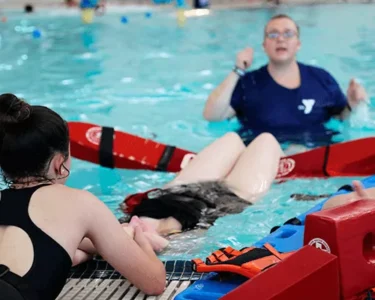
Lifeguard classes typically consist of both theoretical and practical components. You’ll learn about water safety, rescue techniques, CPR, and first aid. The course usually includes classroom sessions, pool practice, and hands-on scenarios.
Skills and Certification
Upon completion of the course, you’ll be certified in lifeguarding, CPR, and first aid. These certifications are often valid for two years and recognized by various organizations, making you eligible for employment at numerous facilities.
Physical Requirements
Lifeguarding requires a certain level of physical fitness. Expect to complete swimming tests, timed rescues, and endurance exercises. It’s essential to be a strong swimmer and comfortable in the water.
Finding the Right Lifeguard Class Near You
Online Search Tips
Start by searching for lifeguard class near me online. Use specific keywords like your city or state to narrow down the results. Websites like Red Cross and YMCA offer certified lifeguard training programs across the country.
Local Community Centers and Pools
Check with local community centers, pools, and aquatic facilities. Many offer lifeguard training courses, especially during the summer months. These classes are often conveniently located and affordable.
Recommendations and Reviews
Ask friends, family, or colleagues for recommendations. Online reviews can also provide insights into the quality of the training program. Look for classes with experienced instructors and positive feedback from past participants.
American Lifeguard Association
Overview of ALA
The American Lifeguard Association (ALA) is a leading organization dedicated to promoting water safety and training lifeguards. They offer comprehensive lifeguard training programs, certifications, and resources for aspiring lifeguards.
Training Programs
ALA’s training programs are designed to equip you with essential skills and knowledge. Their courses cover a wide range of topics, including water rescue techniques, CPR, first aid, and emergency response. With ALA certification, you’ll be recognized by employers nationwide.
Membership Benefits
Joining ALA comes with various benefits. Members have access to exclusive resources, discounts on training materials, and opportunities to participate in community events. It’s a valuable network for aspiring and experienced lifeguards alike.
Preparing for Your Lifeguard Class
Physical Conditioning
Lifeguarding requires physical stamina and strength. Incorporate swimming, running, and strength training into your routine. Focus on building endurance and improving your swimming skills to excel in the course.
Study and Practice
Review the course materials provided by your training program. Familiarize yourself with water safety protocols, rescue techniques, and first aid procedures. Practice CPR on a manikin if possible to ensure you’re comfortable with the process.
Mental Preparation
Lifeguarding involves making quick decisions in high-pressure situations. Develop a calm and focused mindset. Visualization techniques and stress management exercises can help you stay composed during emergency scenarios.
What to Bring to Your Lifeguard Class
Essential Gear
Pack a swimsuit, goggles, and a swim cap for pool sessions. Bring a towel, sunscreen, and a water bottle to stay hydrated. Some classes may require specific gear like a rescue tube, so check with your instructor beforehand.
Study Materials
Carry a notebook, pen, and any course materials provided. Taking notes during classroom sessions will help you retain important information. A waterproof case or bag can keep your materials safe and dry.
Snacks and Hydration
Lifeguard training can be physically demanding, so bring healthy snacks and plenty of water. Staying fueled and hydrated will keep your energy levels up throughout the course.
Making the Most of Your Training
Active Participation
Engage actively in both classroom and pool sessions. Ask questions, seek clarification, and participate in discussions. The more involved you are, the more you’ll learn and retain.
Building Relationships
Connect with your fellow trainees and instructors. Building a network of peers can provide support, encouragement, and valuable insights. You may even find future job opportunities through these connections.
Continuous Improvement
Lifeguarding is a skill that requires continuous practice and improvement. After completing your course, commit to regular practice sessions. Stay updated on the latest safety protocols and techniques to remain an effective lifeguard.
Life After Certification
Job Search Tips
Once you’re certified, start your job search by visiting local pools, beaches, and water parks. Highlight your certifications and training in your resume and cover letter. Networking with fellow lifeguards and instructors can also lead to job opportunities.
Ongoing Training
Many facilities offer ongoing training and refresher courses for lifeguards. Take advantage of these opportunities to enhance your skills and stay current with industry standards. Continuous learning is key to maintaining your effectiveness as a lifeguard.
Advancing Your Career
Consider pursuing advanced certifications or specializations, such as waterfront lifeguarding or lifeguard instructor training. These additional qualifications can open doors to higher-level positions and increased responsibilities.
Would you like to read: Frankfort’s Chiropractic at GCSP Path to Health
Final Opinion
Becoming a lifeguard is a rewarding and impactful endeavor. By finding the right lifeguard class near you and committing to your training, you’ll gain valuable skills that can save lives and enhance your career prospects. The American Lifeguard Association provides excellent resources and support to help you succeed.
Ready to take the plunge? Start your lifeguard training today and join the ranks of dedicated professionals who make a difference every day. Happy guarding!