

 By
By Lifeguarding is more than just a summer job; it’s a vital role that requires skill, responsibility, and dedication. As a lifeguard, you are entrusted with the safety of swimmers, often becoming the first line of defense in emergencies. To prepare for this important responsibility, enrolling in a comprehensive lifeguard class is essential. In this article, we will explore the key aspects of lifeguard classes, the skills you will acquire, and why the American Lifeguard Association (ALA) offers some of the best lifeguard classes available.
Understanding the Importance of Lifeguard Classes
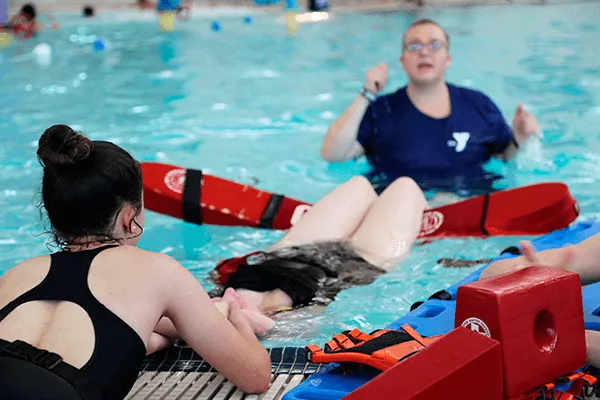
Lifeguard classes are designed to equip individuals with the necessary skills and knowledge to prevent and respond to aquatic emergencies. These classes are not just about learning how to swim or perform CPR; they also cover topics like surveillance techniques, rescue skills, and the legal responsibilities of a lifeguard. The goal is to ensure that lifeguards are fully prepared to handle any situation that may arise, from minor injuries to life-threatening emergencies.
Core Components of a Lifeguard Class
A well-rounded lifeguard class will cover several critical components:
- Water Rescue Techniques:
- This is the core of lifeguard training. Participants learn various rescue techniques, including how to approach a distressed swimmer, how to perform surface dives to retrieve submerged victims, and how to use rescue equipment like buoys and tubes effectively.
- CPR and First Aid:
- Lifeguards must be proficient in cardiopulmonary resuscitation (CPR) and first aid. This part of the training teaches you how to assess the condition of a victim, perform CPR, and administer first aid for injuries such as cuts, burns, and fractures.
- Surveillance and Recognition:
- One of the most crucial skills for a lifeguard is the ability to recognize when someone is in distress. Lifeguard classes teach you how to scan the water effectively, identify potential hazards, and respond quickly to prevent accidents.
- Legal Responsibilities and Ethics:
- Lifeguards have a significant responsibility to the public. Understanding the legal aspects of the job, including negligence and liability, is crucial. Ethics training ensures that lifeguards conduct themselves professionally and responsibly at all times.
- Physical Fitness:
- Lifeguarding is a physically demanding job. Lifeguard classes include rigorous physical training to ensure that participants are fit enough to perform rescues and endure the physical stresses of the job.
The Lifeguard Certification Process
Upon completing a lifeguard class, participants must pass a series of tests to become certified. These tests typically include a written exam to assess your understanding of the material, a skills test to demonstrate your ability to perform rescues, and a physical fitness test. Certification is usually valid for two years, after which lifeguards must undergo recertification to ensure they remain proficient in their skills.
Why Choose the American Lifeguard Association (ALA)?
When it comes to lifeguard training, not all programs are created equal. The American Lifeguard Association (ALA) stands out as a leader in lifeguard education for several reasons:
- Comprehensive Curriculum:
- The ALA offers a comprehensive curriculum that covers all aspects of lifeguarding, from basic water rescue techniques to advanced CPR and first aid. Their classes are designed to be thorough, ensuring that every participant is fully prepared to handle the responsibilities of a lifeguard.
- Experienced Instructors:
- The quality of instruction is a crucial factor in any training program. ALA instructors are highly experienced professionals who bring real-world knowledge to the classroom. Their expertise ensures that participants receive the best possible training.
- Flexible Training Options:
- The ALA understands that everyone has different needs and schedules. They offer a variety of training options, including in-person classes, online courses, and blended learning programs that combine both. This flexibility makes it easier for individuals to get the training they need.
- National Recognition:
- ALA lifeguard certification is recognized nationwide, making it easier for certified lifeguards to find employment anywhere in the country. Employers trust ALA-certified lifeguards to be well-trained and capable.
- Commitment to Safety:
- The ALA is committed to promoting water safety and reducing drowning incidents. They continuously update their training programs to reflect the latest safety standards and best practices in the industry.
Preparing for a Lifeguard Class
If you’re considering enrolling in a lifeguard class, there are a few steps you can take to prepare:
- Improve Your Swimming Skills:
- Lifeguarding requires strong swimming skills. Before starting a class, spend time in the pool practicing different strokes, improving your endurance, and working on your speed. Many lifeguard classes require participants to pass a swim test on the first day.
- Get Physically Fit:
- Lifeguarding is physically demanding, so it’s important to be in good shape. Regular exercise, including strength training and cardiovascular workouts, will help you prepare for the physical challenges of the job.
- Familiarize Yourself with CPR and First Aid:
- While you’ll receive comprehensive training in CPR and first aid during the class, it can be helpful to familiarize yourself with the basics beforehand. This will give you a head start and make it easier to absorb the material during the course.
- Research the Best Programs:
- Not all lifeguard classes are the same. Research different programs to find the one that best suits your needs. Look for programs that are well-regarded, have experienced instructors, and offer comprehensive training. The ALA is an excellent choice for those seeking high-quality training.
Conclusion
Becoming a lifeguard is a rewarding experience that requires dedication, skill, and a commitment to safety. By enrolling in a lifeguard class, you will gain the knowledge and skills needed to protect the lives of others. The American Lifeguard Association (ALA) offers some of the best lifeguard classes available, providing comprehensive training that prepares you for the challenges of the job. Whether you’re looking for a summer job or a long-term career in aquatic safety, a lifeguard class is the first step toward making a difference in the lives of others.
Must Read: Best SMM Companies Skyrocket Your Social Media Success


