

 By
By In an era where water safety is paramount, lifeguard courses have become a crucial stepping stone for those committed to protecting lives at pools, beaches, and other aquatic environments. American Lifeguard USA stands out as a premier provider of lifeguard training, offering comprehensive courses designed to equip individuals with the skills and knowledge needed to become effective lifeguards. This article delves into the world of lifeguard courses offered by American Lifeguard USA, highlighting their importance, structure, and the benefits they provide.
Why Lifeguard Training is Essential
Lifeguard training is not just about learning how to swim or administer first aid; it is about preparing to handle emergencies efficiently and effectively. Lifeguards are often the first line of defense in preventing accidents and responding to emergencies, which makes their training critical. American Lifeguard USA understands this responsibility and ensures their courses cover all necessary aspects of lifeguard duties, including:
Water Safety: Techniques for preventing drowning and other water-related incidents.
Rescue Skills: Methods for safely rescuing individuals in distress.
First Aid and CPR: Life-saving skills for managing injuries and medical emergencies.
Emergency Response: Strategies for handling crises and coordinating with emergency services.
Course Structure and Content
American Lifeguard USA offers a variety of lifeguard course tailored to different skill levels and needs. Each course is designed to provide participants with a thorough understanding of lifeguarding principles, combining theoretical knowledge with practical skills. Here’s a closer look at what participants can expect from these courses:
1. Basic Lifeguard Training
This entry-level course is ideal for individuals new to lifeguarding. It covers fundamental skills such as water rescue techniques, basic first aid, and CPR. The course includes:
Classroom Instruction: Covering the principles of water safety, rescue techniques, and emergency response.
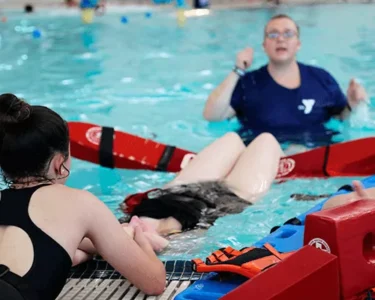
Pool Sessions: Hands-on practice in water rescue, rescue equipment use, and simulation of emergency scenarios.
Written Examination: Testing theoretical knowledge on water safety, rescue procedures, and first aid.
2. Advanced Lifeguard Training
For those with basic lifeguarding skills, the advanced course provides in-depth training on more complex scenarios. It focuses on:
Advanced Rescue Techniques: Including deep-water rescues and handling multiple casualties.
Leadership Skills: Managing a team of lifeguards and coordinating larger emergency responses.
Specialized Training: Such as dealing with aquatic emergencies involving spinal injuries or hazardous materials.
3. Lifeguard Instructor Training
This course is designed for experienced lifeguards who wish to become instructors themselves. It covers:
Teaching Methodologies: How to effectively deliver lifeguard training to others.
Course Management: Planning and organizing lifeguard courses, including administrative tasks.
Certification: For participants to become certified lifeguard instructors.
Benefits of Lifeguard Certification
Obtaining a lifeguard certification from American Lifeguard USA offers numerous advantages:
Enhanced Skills: Participants gain critical life-saving skills and knowledge that can be applied in various situations.
Increased Employability: Certified lifeguards are often preferred by employers, including pools, beaches, and recreational facilities.
Personal Fulfillment: Knowing that you have the skills to save lives can be immensely rewarding and empowering.
Career Opportunities: Lifeguard certification opens doors to various career paths within the aquatics industry, including positions as head lifeguards, instructors, and facility managers.
The Importance of Recertification
Lifeguard training is not a one-time event. Skills and knowledge need to be updated regularly to stay effective. American Lifeguard USA emphasizes the importance of recertification, which ensures that lifeguards remain current with the latest techniques and standards. Recertification courses typically include:
Review of Current Guidelines: Updates on new practices and regulations.
Refresher Training: Revisiting key skills and procedures.
Practical Evaluation: Demonstrating proficiency in rescue techniques and emergency response.
Finding the Right Course Near You
American Lifeguard USA offers a network of training locations across the country, making it convenient for individuals to find a course near them. To locate a course:
Visit the American Lifeguard USA Website: Use the course locator tool to find nearby training sessions.
Contact Local Pools and Recreation Centers: Many local facilities partner with American Lifeguard USA to offer training.
Check Community Boards and Listings: Local community boards often list upcoming lifeguard training opportunities.
Also Read About: Corteiz Joggers: 7 Ways Style Meets Ultimate Comfort
Conclusion
Lifeguard courses offered by American Lifeguard USA are more than just educational programs; they are essential training that equips individuals with the skills to save lives and ensure water safety. Whether you are looking to start a career in lifeguarding, advance your skills, or become an instructor, American Lifeguard USA provides a comprehensive range of courses tailored to meet your needs. Investing in lifeguard training is an investment in safety, both for yourself and for the communities you serve. By enrolling in a course with American Lifeguard USA, you are taking a significant step towards becoming a skilled, knowledgeable, and effective lifeguard.