

 By
By Winemaking is an age-old tradition that has evolved significantly over the centuries, blending art and science to create a product enjoyed worldwide. The process of transforming grapes into wine involves multiple stages, each requiring precision and the right equipment to achieve the desired quality and flavor profile. Understanding the winemaking process, the essential equipment involved, the benefits of using advanced technology, and how to choose the right equipment for your winery are crucial steps in producing exceptional wine.
Understanding the Wine Making Process
The journey from grape to glass begins with the careful selection and harvesting of grapes, which are the cornerstone of any wine. The winemaking process generally involves several key stages: crushing, fermentation, aging, and bottling. Each stage plays a vital role in determining the final product’s flavor, aroma, and overall quality.
Once the grapes are harvested, they are typically sorted to remove any unwanted materials like leaves or stems. The next step is crushing, where the grapes are broken open to release their juice. This juice, known as must, contains the sugars necessary for fermentation. Depending on the type of wine being produced, the must may include grape skins and seeds, which contribute to the wine’s color and tannins.
Fermentation is the heart of winemaking. During this stage, yeast is added to the must to convert the sugars into alcohol and carbon dioxide. The duration and temperature of fermentation can significantly impact the wine’s flavor profile. After fermentation, the wine is aged in various vessels, such as stainless steel tanks, oak barrels, or a combination of both, depending on the desired characteristics. Finally, the wine is clarified, filtered, and bottled, ready to be enjoyed.
Essential Equipment for Wine Making
The quality of wine largely depends on the equipment used at each stage of the winemaking process. Essential equipment includes crushers and destemmers, fermentation tanks, presses, filters, and bottling machines. Each piece of equipment plays a critical role in ensuring that the wine retains its intended flavor and quality.
Crushers and destemmers are among the first pieces of equipment used after harvesting. These machines separate the grape berries from the stems and crush them to release the juice. This process is essential for producing must, which forms the basis for fermentation. Advanced crushers and destemmers are designed to handle large quantities of grapes efficiently while minimizing damage to the fruit, which is crucial for maintaining quality.
Fermentation tanks are another vital component. These tanks come in various sizes and materials, including stainless steel and concrete, and are designed to control the temperature and conditions under which fermentation occurs. Proper temperature control is crucial during fermentation, as it affects the rate at which yeast converts sugars into alcohol, thereby influencing the wine’s taste and aroma.
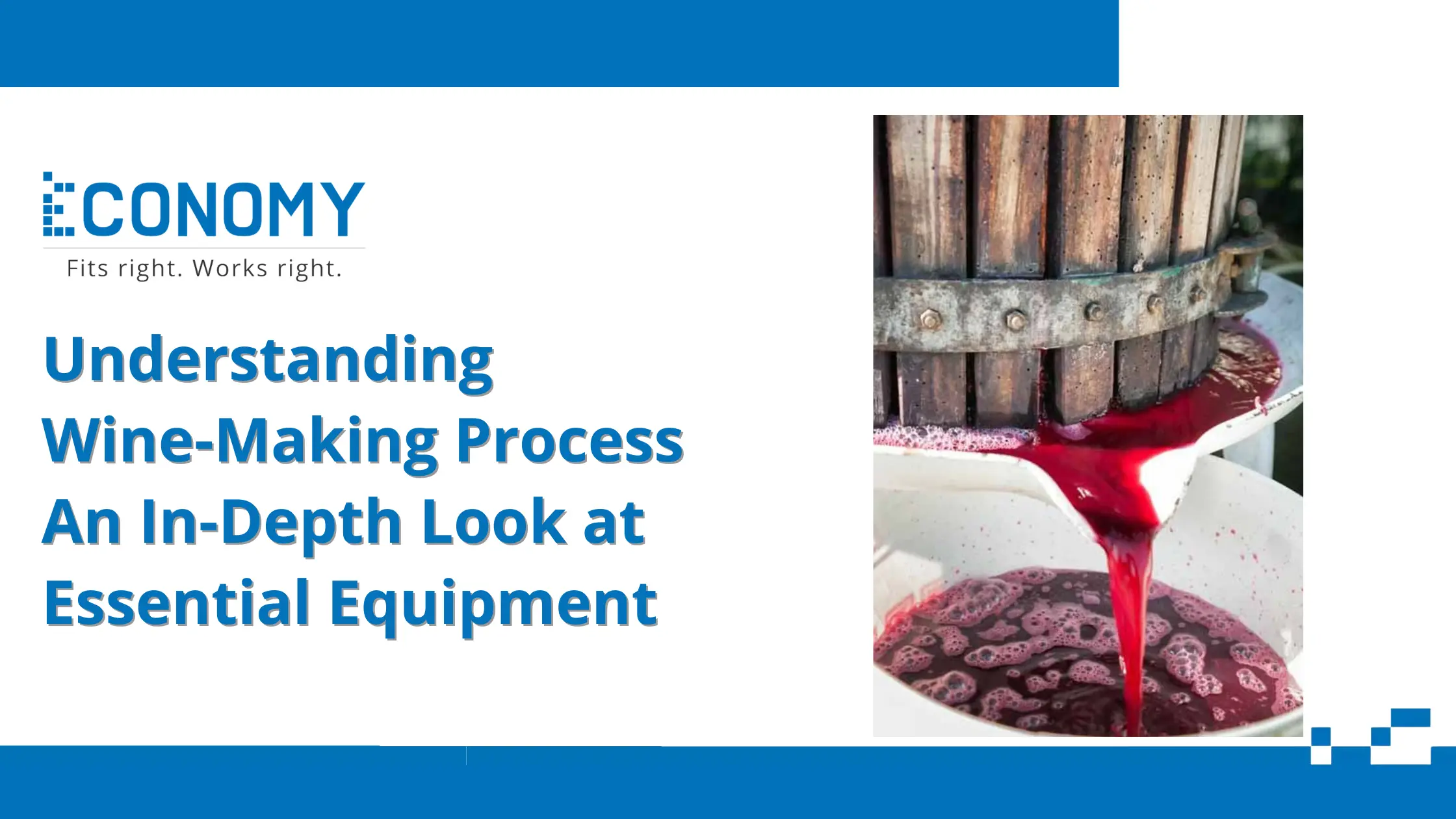
Presses are used after fermentation to extract the remaining juice from the grape skins and seeds. There are several types of presses, including basket presses, bladder presses, and pneumatic presses, each offering different levels of control and efficiency. Modern presses allow winemakers to extract juice with precision, ensuring that the desired flavors and tannins are retained.
Filtration equipment is used to clarify the wine before bottling. Filters remove any remaining solids or impurities, which can affect the wine’s clarity and stability. Finally, bottling machines ensure that the wine is packaged in a clean, efficient manner, preserving its quality for consumers.
Benefits of Using Advanced Equipment
The use of advanced equipment in winemaking offers numerous benefits, including improved efficiency, consistency, and product quality. Modern technology allows for greater control over every aspect of the winemaking process, from crushing and fermentation to aging and bottling.
One of the primary advantages of advanced equipment is the ability to maintain consistency across batches. Precise temperature control during fermentation, for example, ensures that each batch of wine develops the same flavor profile, which is essential for brands that rely on consistent quality. Advanced presses and filters also contribute to this consistency by ensuring that each step of the process is carried out with precision.
Efficiency is another significant benefit. High-capacity crushers, destemmers, and presses can handle large quantities of grapes quickly and with minimal waste, allowing wineries to produce more wine in less time. This increased efficiency not only reduces production costs but also enables wineries to meet higher demand without sacrificing quality.
Advanced equipment also enhances the overall quality of the wine. By allowing for greater control over variables such as temperature, oxygen exposure, and pressure, modern equipment helps winemakers refine their products to achieve the desired characteristics. This level of control is particularly important in high-end winemaking, where subtle differences in flavor and aroma can set a wine apart from its competitors.
Choosing the Right Equipment for Your Winery
Selecting the right equipment for your winery is a critical decision that can have long-lasting impacts on your business’s success. The choice of equipment should be based on several factors, including the size of your operation, the types of wine you produce, and your budget.
For small to medium-sized wineries, versatility is key. Investing in multi-functional equipment that can handle different stages of the winemaking process can save space and reduce costs. For example, some modern fermentation tanks are designed to be used for both fermentation and storage, offering flexibility and efficiency.
For larger operations, capacity and scalability are important considerations. High-capacity crushers, presses, and bottling machines can help increase production volume without compromising quality. Additionally, investing in automated systems can streamline the production process, reduce labor costs, and improve consistency.
Budget is always a crucial factor, but it’s important not to sacrifice quality for cost savings. Investing in reliable, durable equipment can save money in the long run by reducing maintenance costs and improving the overall quality of your wine. It’s also worth considering the potential for future growth when choosing equipment, as investing in scalable solutions can help your winery expand without needing to replace equipment.
In conclusion, understanding the wine making process and the essential equipment involved is key to producing high-quality wine. The benefits of using advanced equipment, such as improved efficiency, consistency, and product quality, make it a worthwhile investment for wineries of all sizes. By carefully selecting the right equipment for your winery, you can ensure that your operation runs smoothly, your wine maintains its desired characteristics, and your business thrives in the competitive wine industry.