

 By
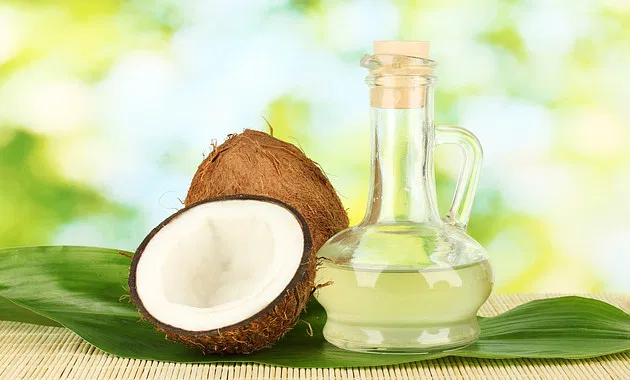
By Coconut oil has been a staple in many cultures for centuries, valued for its culinary, cosmetic, and medicinal properties. Derived from the flesh of mature coconuts, this versatile oil is rich in medium-chain triglycerides (MCTs), which have garnered significant attention for their potential health benefits. Let’s delve into the various uses and potential side effects of coconut oil.
Culinary Uses of Coconut Oil
Coconut oil has become a popular choice for cooking due to its high smoke point, which makes it suitable for both high-heat cooking and baking. Its unique flavor profile, with a subtle sweetness and nutty aroma, can enhance the taste of various dishes. Here are some common culinary uses:
- Frying: Coconut oil’s high smoke point allows for frying without burning. It’s a great option for pan-frying, deep-frying, and stir-frying.
- Baking: Coconut oil’s can be used as a substitute for butter or shortening in baked goods, adding a touch of tropical flavor. It can be used in recipes for cookies, cakes, and quick breads.
- Sauces and Dressings: Coconut oil’s can be combined with other ingredients to create flavorful sauces and dressings. It pairs well with tropical fruits, citrus, and spices.
- Flavoring: Coconut oil’s can be infused with herbs, spices, or citrus zest to create flavored oils for drizzling over dishes or using in marinades.
Cosmetic Uses of Coconut Oil
Coconut oil’s moisturizing properties make it a popular ingredient in many skincare and hair care products. It can be used directly on the skin and hair or incorporated into homemade beauty treatments. Here are some common cosmetic uses:
- Moisturizer: Coconut oil’s can be applied to the skin to hydrate and soften. It can help soothe dry, itchy skin and may be beneficial for conditions like eczema and psoriasis.
- Hair Conditioner: Coconut oil’s can be used as a deep conditioner to nourish and strengthen hair. It can help reduce frizz, split ends, and breakage.
- Makeup Remover: Coconut oil’s can gently remove makeup, including waterproof mascara and eyeliner.
- Lip Balm: Coconut oil’s can be used as a natural lip balm to hydrate and protect lips from dryness and chapping.
- Cuticle Oil: Coconut oil;s can be applied to cuticles to soften and moisturize them.
Potential Health Benefits of Coconut Oil
While more research is needed to fully understand the health benefits of coconut oil, some studies have suggested potential positive effects. Here are a few areas where coconut oil has been investigated:
- Weight Management: Some studies have suggested that MCTs in coconut oil may help promote weight loss and improve metabolism.
- Heart Health: Some research has indicated that coconut oil’s may help raise HDL (good) cholesterol levels and lower LDL (bad) cholesterol levels. However, more studies are needed to confirm these findings.
- Brain Health: Coconut oil’s has been studied for its potential benefits for brain health, including cognitive function and Alzheimer’s disease.
- Immune System: Coconut oil’s contains lauric acid, which has antimicrobial properties. Some research suggests that lauric acid may help boost the immune system.
- Oral Health: Coconut oil’s has been used as a natural mouthwash to reduce plaque and improve oral health.
Potential Side Effects of Coconut Oil
While coconut oil is generally considered safe when consumed in moderation, some individuals may experience side effects. Here are a few potential side effects to be aware of:
- Increased Cholesterol: Coconut oil’s is high in saturated fat, which can raise LDL (bad) cholesterol levels. Individuals with high cholesterol should consume coconut oil in moderation or avoid it altogether.
- Weight Gain: Coconut oil’s is high in calories. Consuming excessive amounts of oil can lead to weight gain.
- Digestive Issues: Some individuals may experience digestive problems, such as diarrhea or abdominal discomfort, when consuming coconut oil’s.
- Allergies: While rare, some people may be allergic to coconut oil’s. Symptoms of a coconut allergy can include skin rash, hives, and difficulty breathing.
Coconut Oil and Ketogenic Diet
Coconut oil has gained popularity among individuals following the ketogenic diet, a low-carbohydrate, high-fat diet that aims to put the body into a state of ketosis. MCTs in coconut oil are readily absorbed and metabolized by the liver, providing a quick source of energy without raising blood sugar levels. This makes coconut oil a suitable choice for those on a ketogenic diet.
However, it’s important to note that while coconut oil can be a beneficial addition to a ketogenic diet, it should still be consumed in moderation. Excessive intake of oil, even on a ketogenic diet, can lead to weight gain due to its high calorie content.
Conclusion
Coconut oil is a versatile natural product with numerous potential uses and benefits. It can be used in cooking, cosmetics, and as a dietary supplement. However, it’s important to consume oil in moderation and be aware of potential side effects. If you have any concerns about using coconut oil, it’s best to consult with a healthcare professional.